How Marketing Automation Is Changing the Way Businesses Work in 2027
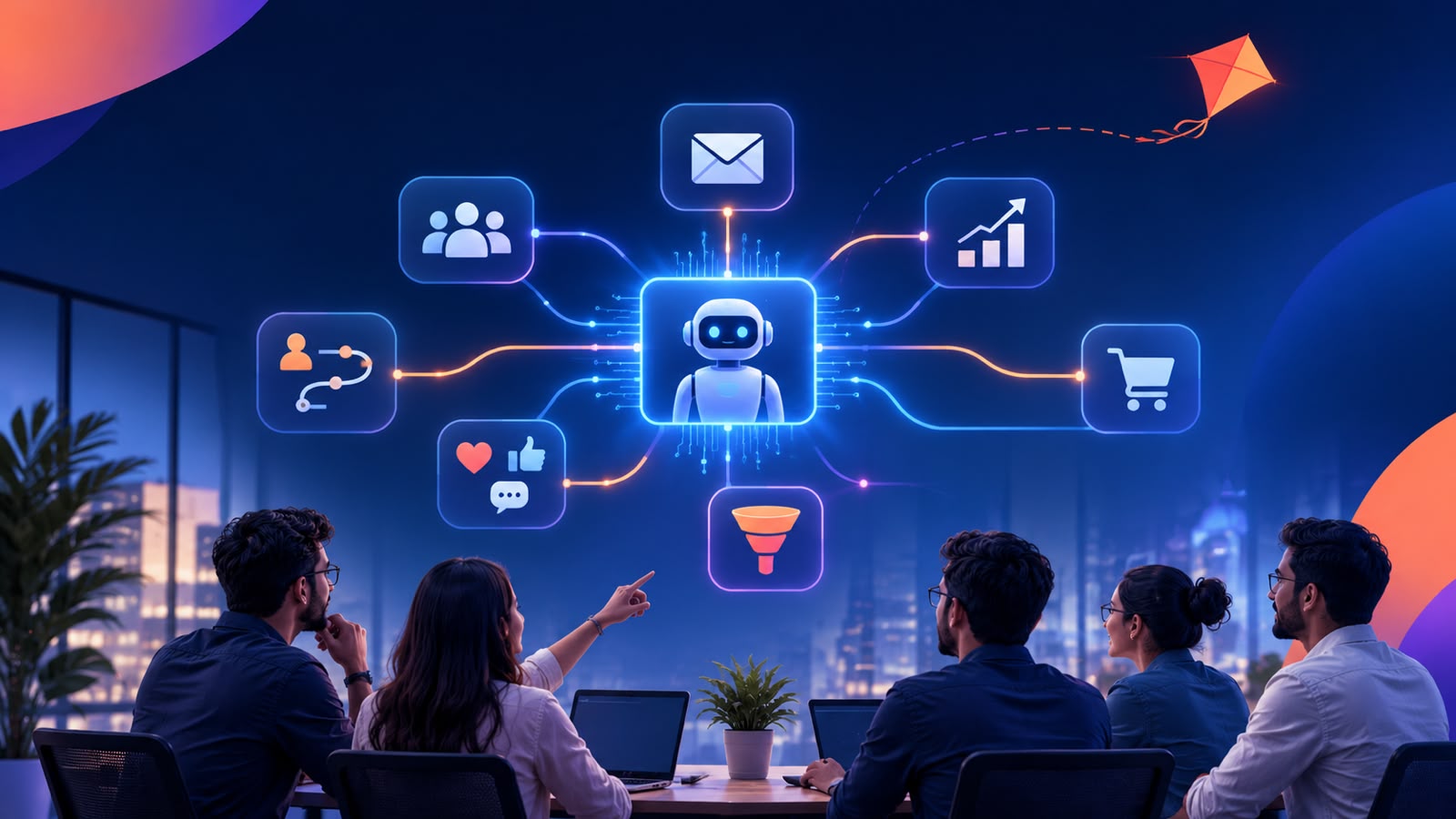
Marketing has always been about connecting with the right people at the right time. But as businesses grow, managing every campaign, customer interaction, and marketing activity manually becomes increasingly difficult. From scheduling social media posts to following up with potential customers, marketers spend a considerable amount of time on repetitive tasks. While these activities are important, they often leave less time for what matters most: building strategies, understanding customers, and creating meaningful brand experiences.
This is where marketing automation comes in. With the rise of artificial intelligence (AI) and smarter digital tools, businesses now have more opportunities to simplify everyday marketing operations. As we move into 2027, knowing which marketing tasks to automate could significantly improve how efficiently businesses operate. Here are the areas where marketing automation can make a meaningful difference.
What Is Marketing Automation?
Marketing automation refers to using software and technology to manage repetitive marketing activities with minimal manual intervention. Instead of manually sending every email, publishing individual social media posts, or tracking each potential customer, businesses can build automated workflows that handle these activities based on predefined schedules, actions, or customer behavior. For example, when someone downloads a brochure from your website, an automated workflow can send a welcome email, share relevant information, and notify your sales team when the person shows further interest.
The objective isn't to remove people from marketing. It's to reduce repetitive work so marketing teams can focus on creativity, strategy, and customer relationships.
Marketing Tasks You Can Automate
Marketing automation is changing how businesses manage their everyday marketing activities. From social media scheduling and email campaigns to lead generation, customer communication, and performance tracking, automation helps teams simplify repetitive processes and work more efficiently. Here are some key marketing tasks where automation can make a meaningful difference.
- Social Media Scheduling and Publishing
Maintaining a consistent social media presence requires planning, content creation, publishing, and regular monitoring. For businesses managing multiple platforms, manually publishing every post can become time-consuming. Social media automation tools allow marketers to plan and schedule posts across platforms such as Instagram, LinkedIn, and Facebook.
Tools like Buffer, Hootsuite, and Meta Business Suite can help businesses organise their publishing schedules and maintain consistency. For example, a brand launching a new product can plan its teaser posts, launch announcements, and follow-up content in advance rather than publishing everything manually. However, while scheduling can be automated, content ideas, creative direction, and audience interactions still require human attention.
More consistent publishing, better planning, and additional time for creative development.
- Email Marketing and Customer Follow-Ups
Email marketing remains an important communication channel for businesses, particularly when building long-term relationships with customers. But sending individual emails to every new subscriber or potential customer isn't always practical. With email marketing automation, businesses can create workflows that deliver messages based on specific customer actions.
For example, someone subscribing to a newsletter might automatically receive a welcome email, followed by useful content related to their interests. An e-commerce brand might send a reminder when a customer leaves products in their shopping cart without completing a purchase. Platforms such as Mailchimp, HubSpot, and ActiveCampaign offer features for building automated email campaigns.
Timely communication, more relevant customer interactions, and reduced manual effort. Businesses should also ensure they respect subscriber preferences, obtain appropriate consent, and make unsubscribing easy.
- Lead Generation and Lead Nurturing
Generating leads is only one part of the marketing process. The bigger challenge often lies in managing those leads effectively. Consider a business receiving enquiries through its website, advertising campaigns, and social media platforms. Without an organized system, important enquiries can get overlooked, follow-ups may be delayed, and potential customers might lose interest.
Lead management automation can help businesses organize this process. When someone submits an enquiry form, an automated system can capture the details, add them to a customer relationship management (CRM) platform, and notify the relevant sales representative. Businesses can also create lead nurturing workflows that share relevant information based on a potential customer's interests or stage in the buying journey.
For example, a B2B company can automatically send product information or case studies to prospects who have shown interest in a particular service. Better lead organisation, more timely follow-ups, and a more structured sales journey. However, automation should support meaningful conversations, not replace personal interactions when customers need them.
- Marketing Reports and Performance Tracking
Every marketing campaign generates data. Website visits, advertising clicks, conversions, leads, and customer engagement all provide valuable information about campaign performance. But gathering data from multiple platforms and preparing reports manually can take considerable time.
With marketing reporting automation, businesses can connect data sources and create dashboards that update regularly. Tools such as Looker Studio, Google Analytics, and reporting integrations can help marketers monitor key performance indicators. For example, a business running campaigns across Google Ads and Meta Ads can bring relevant metrics into a shared dashboard instead of preparing separate reports from scratch.
This makes it easier to identify patterns, monitor performance, and understand where improvements may be needed. Faster reporting, improved visibility, and more time for analyzing results. It's important to remember that automated reports are only as reliable as the underlying data. Marketers must still review tracking accuracy, interpret performance, and decide what actions to take.
- Customer Segmentation and Personalized Campaigns
Not every customer has the same needs, interests, or buying behavior. A first-time website visitor may need introductory information, while an existing customer might be more interested in product updates or related services. Sending the same marketing message to everyone can make campaigns less relevant.
This is where customer segmentation automation becomes useful. Businesses can use CRM and marketing platforms to organize customers into groups based on factors such as purchase history, preferences, interactions, or lifecycle stage. For example, an online fashion brand can send different product recommendations to new visitors and repeat customers based on their interests.
AI-powered tools can also assist marketers in identifying useful audience patterns and developing more relevant campaign experiences. More relevant communication, stronger personalisation, and better use of marketing resources. The key is to use customer data responsibly and avoid personalisation that feels intrusive.
- Customer Support and Frequently Asked Questions
Customers expect businesses to respond quickly, whether they are asking about a product, checking an order, or looking for general information. Handling every routine enquiry manually can place additional pressure on customer support teams. Automated chatbots and customer service workflows can help manage frequently asked questions and direct customers to useful information.
For example, an e-commerce website can use an automated assistant to answer common questions about delivery timelines, return policies, and order tracking. More advanced AI-powered assistants can support conversational interactions, provided they have access to accurate, approved information. Faster responses to routine questions and more time for support teams to handle complex issues.
However, businesses should make it easy for customers to connect with a real person whenever automated assistance isn't enough.
- Campaign Workflow and Task Management
A successful marketing campaign usually involves multiple people and activities. From receiving a brief and developing creative concepts to getting approvals and publishing content, several tasks must happen in the right sequence. When these activities are managed through scattered emails, messages, and spreadsheets, keeping everyone aligned can become challenging.
Workflow automation can simplify coordination. Platforms such as Asana, Trello, ClickUp, and project management integrations can help teams assign responsibilities, track progress, and automate routine notifications. For example, when a designer marks a creative as ready for review, an automated workflow can notify the account manager or relevant approver.
Once a campaign receives approval, the next task can be assigned to the publishing team. Clearer responsibilities, smoother collaboration, and fewer delays caused by repetitive coordination. For creative agencies and marketing teams, this can create more room for strategic thinking and stronger campaign execution.
How AI Is Making Marketing Automation Smarter
Traditional marketing automation generally follows predefined rules. For example, when a customer fills out a form, the system sends an email. AI-powered marketing automation can go further by helping businesses analyze information, identify patterns, draft responses, and recommend appropriate actions.
AI tools can support activities such as:
- Identifying audience segments from customer data.
- Suggesting more relevant email content.
- Summarizing campaign performance.
- Assisting with customer enquiries.
- Organizing marketing research and campaign information.
However, AI-generated recommendations should not be treated as automatically correct. Accuracy, brand consistency, data privacy, and human oversight remain essential. The biggest opportunity isn't simply automating more tasks. It's using automation intelligently to improve the overall marketing process.
How to Get Started With Marketing Automation
Businesses don't need to automate their entire marketing operation at once. A better approach is to identify repetitive activities that consume time without requiring constant creative judgment. Start by examining your existing marketing workflow.
Which tasks are repeated every day or every week? Where do delays commonly happen? Which activities involve transferring information between different tools? Once those areas are identified, choose a suitable automation platform and begin with a simple workflow. For instance, automating website enquiry notifications or scheduling weekly marketing reports can be a practical starting point.
Before expanding, monitor whether the automation is actually saving time, reducing errors, or improving customer experience. The objective should always be to solve a business problem rather than adopt technology simply because it's available.
The Future of Marketing Is Automated, But Still Human
As we approach 2027, marketing automation is becoming an increasingly important consideration for businesses looking to work more efficiently. From email campaigns and social media publishing to lead management and performance reporting, automation can help reduce repetitive work and improve coordination. But there's an important distinction between doing marketing faster and doing marketing better.
Technology can schedule a campaign, but it cannot independently guarantee that the campaign will connect with people. It can organize customer data, but understanding customer motivations still requires thoughtful interpretation. And while AI can support content creation, building a distinctive brand requires creativity, judgment, and a clear understanding of the audience.
At The Kite Flyers, we believe effective marketing comes from combining smart technology with meaningful ideas and strategic thinking. Because the future of marketing isn't about choosing between automation and creativity. It's about using automation to make more room for creativity.