How Creative Festive Campaigns Are Changing Brand Marketing in India
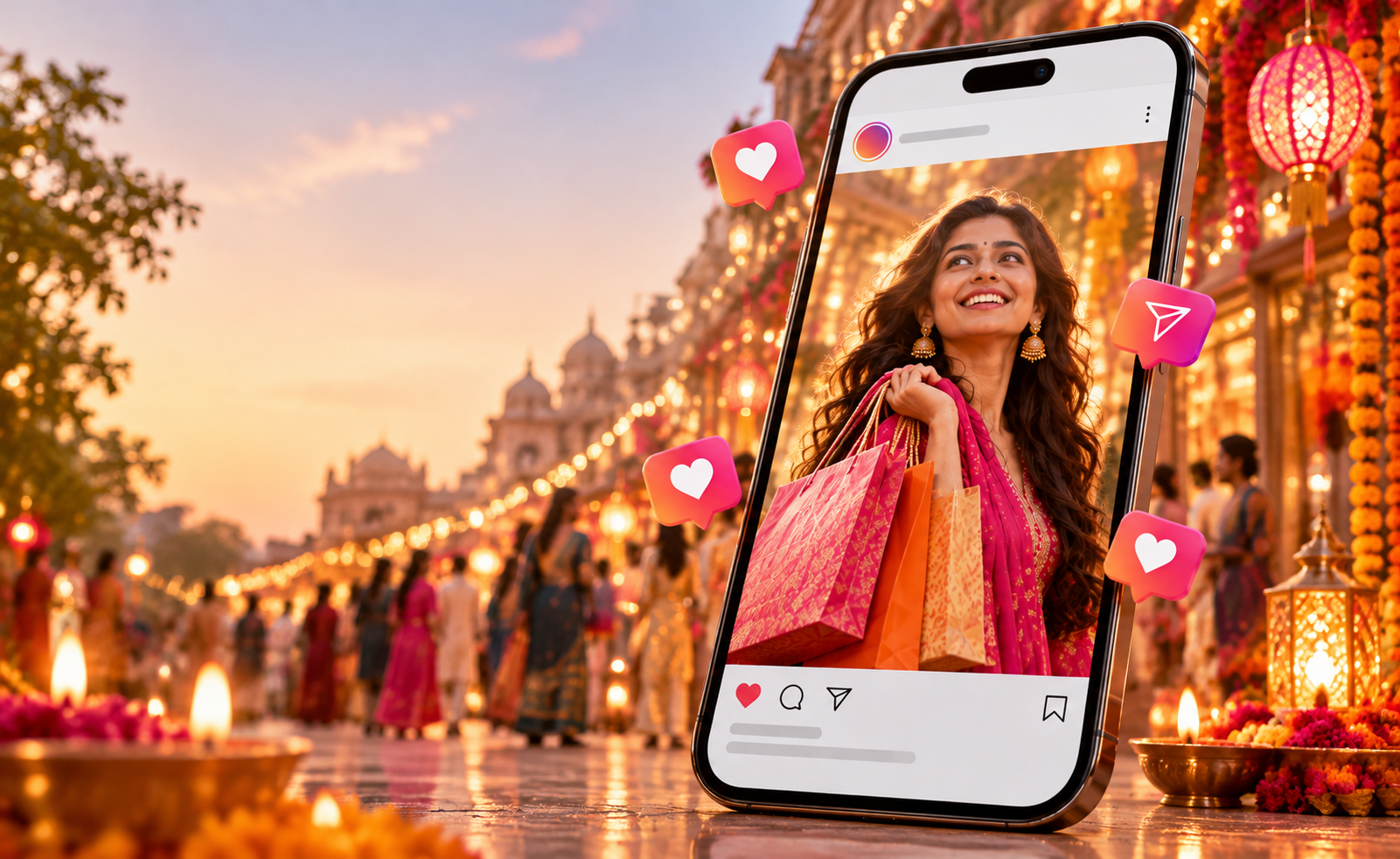
Diwali in India is more than a festival. It is a season of celebrations, shopping, gifting, family gatherings, and new beginnings. For brands, it is also one of the most important times of the year to connect with consumers.
Every October, advertising platforms are filled with festive campaigns. From emotional films and celebrity endorsements to Diwali discounts and social media promotions, brands compete for consumer attention across multiple channels.
But as festive advertising becomes increasingly competitive, one question stands out: What makes a Diwali campaign memorable?
It is no longer enough to create a festive advertisement with decorative lights, traditional outfits, and a special offer. Consumers see similar campaigns throughout the season, making it difficult for brands to stand apart.
This is where creativity makes a difference.
Some of the most interesting creative festive campaigns in India are moving beyond conventional festive advertising. Brands are exploring emotional storytelling, humor, technology, cultural insights, and meaningful consumer experiences to create stronger connections.
The Diwali campaigns of 2024 and 2025 offer some particularly interesting examples of this shift.
Let's look at how festive brand marketing is evolving in India and explore five creative Diwali campaigns that demonstrate what brands can learn from it.
How Festive Marketing in India Is Evolving
For years, Diwali advertising has been closely associated with discounts, new product launches, celebrity-led promotions, and emotional family advertisements.
These approaches continue to play an important role, especially when consumers are actively shopping for festive essentials, electronics, fashion, jewellery, and gifts.
However, the way people discover and interact with brands has changed.
Today's consumers may discover a product through an Instagram reel, watch a campaign on YouTube, read online reviews, compare prices, and complete their purchase through an e-commerce platform.
This means a festive campaign is no longer limited to a television commercial or print advertisement.
It can become a connected experience across social media, digital advertising, content marketing, online shopping, and physical retail.
At the same time, brands face a major challenge: almost everyone is advertising during Diwali.
When dozens of businesses communicate similar festive messages, being visible does not automatically mean being remembered.
This is why a well-planned brand and communication strategy is important. It helps brands develop a consistent identity, communicate a clear message, and connect with audiences beyond seasonal promotions.
The following five campaigns show how brands are approaching this challenge in different ways.
1. L'Oréal Paris: Mujh Mein Hai Diwali
Celebrating Inner Confidence Through Festive Storytelling
Beauty advertisements often focus on appearance, glamour, and product benefits. During Diwali, these messages are typically combined with traditional styling, festive makeup, and celebrations.
L'Oréal Paris took a more personal approach with its first Diwali campaign in India, Mujh Mein Hai Diwali, launched in 2025.
Featuring Alia Bhatt alongside her friends Akansha Ranjan Kapoor and Anushka Ranjan, the campaign celebrates friendship, shared memories, and the confidence that comes from within.
Instead of presenting Diwali solely through decorative lights and celebrations, the film connects the idea of festive radiance with relationships and self-worth.
The campaign also reinforces L'Oréal Paris' long-standing brand message, Because You're Worth It, while featuring its Infallible Laque Resistance lipstick range.
What Made the Campaign Creative?
The campaign used Diwali as an opportunity to strengthen an existing brand philosophy.
Rather than introducing an entirely new festive message, L'Oréal connected its communication around confidence and self-worth with the emotions of the season.
The friendship between the characters helped make the narrative relatable.
It also moved beyond the familiar portrayal of festive beauty as simply looking attractive for an occasion.
The idea of inner radiance gave the advertisement a stronger emotional dimension while keeping the beauty category relevant.
What Can Brands Learn?
The strongest festive campaigns often build on what a brand already represents.
A fashion brand might connect Diwali with self-expression. A beauty brand might explore confidence. A home décor business might focus on belonging and memories.
The opportunity is to find a natural connection between the festival and the brand's identity.
Key takeaway: Festive storytelling becomes more meaningful when it reinforces a consistent brand message instead of relying only on seasonal visuals.
2. Starbucks India: #HumariSpecialJagah
Redefining What Home Means During Diwali
Diwali advertising frequently revolves around returning home, celebrating with family, and reconnecting with loved ones.
But for many people living away from their hometowns, celebrating Diwali can look different.
Young professionals, students, and people who have moved to new cities often build relationships and communities far from their childhood homes.
Starbucks India explored this changing reality through its 2025 Diwali campaign, #HumariSpecialJagah.
The campaign highlights how friends, neighbors, and colleagues can become an important part of festive celebrations.
It presents the idea that home is not always defined by a particular address. Sometimes, it is created through the people and relationships that make us feel connected.
Starbucks also introduced a limited-edition festive menu inspired by Indian flavours, including saffron, rose, and pistachio.
What Made the Campaign Creative?
The campaign approached Diwali through a contemporary consumer insight.
Instead of repeating a traditional family reunion story, Starbucks acknowledged that the meaning of togetherness is evolving.
This made communication relevant to consumers who celebrate festivals away from their families.
The brand also connected this emotional insight with its physical spaces.
Starbucks stores are positioned as places where people meet, spend time together, and share experiences.
By exploring belonging and meaningful connections, the campaign created a natural association between the festive message and the brand experience.
What Can Brands Learn?
Consumer experiences change over time, even when cultural traditions remain important.
Brands that recognize these changes can communicate with audiences in more relevant ways.
This does not mean abandoning tradition. It means understanding how people experience traditions in today's world.
For businesses targeting younger or urban audiences, contemporary cultural insights can provide fresh opportunities for festive storytelling.
Key takeaway: The best festive campaigns reflect how people actually celebrate, rather than relying entirely on familiar advertising stereotypes.
3. Zouk: Saving Men, One Bag at a Time
Using Humor to Make Festive Gifting More Relatable
Not every successful Diwali advertisement needs to be emotional.
While many brands focus on nostalgia, family bonds, and heartfelt messages, humor can also create memorable festive communication.
Indian lifestyle brand Zouk demonstrated this through its 2025 campaign, Saving Men, One Bag at a Time.
The campaign builds on a familiar situation: men often end up carrying their family members' belongings during outings.
From phones and keys to chargers and lip balms, pockets become temporary storage spaces for everyone else's essentials.
The advertisement follows a man who decides to solve this problem by gifting Zouk bags to his wife and sister.
The solution is amusing, practical, and directly connected to the brand's product category.
Alongside the campaign, Zouk introduced The Big Bag Festival, featuring festive gifting combinations and collaborations.
What Made the Campaign Creative?
Zouk transformed everyday observation into a festive advertising idea.
Instead of communicating the usual message about thoughtful gifting, the brand identified a relatable situation and built a humorous story around it.
The bags were not inserted into the advertisement simply as products to promote.
They became the solution to the central problem.
This made product integration feel natural.
The campaign also stood apart from emotional Diwali advertising by using a lighter and more playful tone.
In a season when many brands communicate similar sentiments, humor can help create a different kind of connection with consumers.
What Can Brands Learn?
Creativity does not always require an elaborate storyline, expensive production, or a celebrity endorsement.
Sometimes, a simple observation about everyday consumer behavior can become a strong advertising idea.
Brands should look for familiar situations involving their products and explore how those moments could translate into entertaining content.
This is also where an effective content development strategy can help brands turn relatable observations into engaging campaign stories.
Key takeaway: A relatable consumer insight can make festive advertising entertaining while keeping the product at the centre of the story.
4. Google India: The Google Shopping Mela
Bringing Festive Shopping and Technology Together
Shopping is an important part of Diwali celebrations.
From neighborhood markets and traditional melas to large shopping centres and online platforms, consumers explore numerous options before making their festive purchases.
Google India used this familiar behavior as the foundation of its 2024 campaign, The Google Shopping Mela, created by Lowe Lintas.
The campaign draws inspiration from traditional Indian festive melas and reimagines the shopping experience through Google's digital tools.
It features a grandmother and daughter exploring a shopping experience that connects technology with the joy of festive discovery.
Google Search, Google Pay, and Circle to Search become part of the narrative, demonstrating how digital tools can assist consumers during shopping.
What Made the Campaign Creative?
Technology advertising often focuses on features, functionality, and convenience.
Google approached these benefits through a familiar cultural experience.
The idea of a festive mela is instantly recognizable to Indian audiences. It represents exploration, excitement, discovering new products, and spending time together.
By connecting this experience with digital tools, Google made technology feel more approachable.
The campaign also showed how product features could be integrated into storytelling rather than explained through conventional demonstrations.
This helped connect functional benefits with the emotions associated with festive shopping.
What Can Brands Learn?
Consumers are more likely to understand product benefits when they can see how those benefits fit into familiar situations.
For technology and service brands, festive advertising creates opportunities to demonstrate practical value through culturally relevant storytelling.
A product does not need to be traditionally associated with Diwali to become part of a compelling festive campaign.
The key is identifying how it contributes to consumer experiences during the season.
Key takeaway: Technology becomes more engaging when brands explain its value through human experiences rather than focusing entirely on features.
5. vivo India: The Spirit of Homecoming
Making Emotional Connections the Heart of Diwali
Few emotions are as closely associated with Diwali as the excitement of returning home.
For people who live away from their families, the festive season often becomes an opportunity to reunite with loved ones.
vivo India explored this emotion through its 2024 Diwali campaign, The Spirit of Homecoming, developed with FCB India.
Launched as vivo celebrated ten years in India, the campaign focused on the importance of being physically present with family during meaningful moments.
The brand highlighted a familiar reality: while technology makes communication easier, there is something special about celebrating together in person.
The campaign encouraged people to reconnect with loved ones and rediscover the joy of coming home during Diwali.
What Made the Campaign Creative?
For smartphone brands, communication technology is an obvious product benefit.
However, vivo chose not to build its festive message entirely around connectivity, cameras, or technical specifications.
Instead, it explored the emotional importance of human connection.
This approach created an interesting contrast.
A technology brand was reminding people that some of life's most meaningful connections happen beyond a screen.
The campaign reinforced vivo's positioning around meaningful relationships while connecting with the emotions of Diwali.
It also reflected an important aspect of contemporary consumer behaviour: technology supports relationships, but it does not replace the importance of shared experiences.
What Can Brands Learn?
An effective advertisement does not always need to explain every product feature.
Sometimes, communicating the larger value associated with a category can help create a stronger brand impression.
For example, a smartphone can represent connection. A vehicle can represent freedom. A home can represent belonging.
These broader associations give brands opportunities to develop emotionally relevant campaigns without making the product the sole focus.
Key takeaway: The strongest brand stories often focus on what a product makes possible in people's lives, rather than only what the product does.
What These Diwali Campaigns Tell Us About the Future of Festive Marketing
Although the five campaigns belong to different industries, they highlight several important developments in festive brand marketing in India.
1. Brands Are Moving Beyond Traditional Festive Storytelling
Family gatherings, celebrations, and gifting will remain central themes in Diwali advertising.
However, brands are exploring these ideas from different perspectives.
Starbucks focused on finding belonging in new places, while vivo highlighted the emotional importance of coming home.
Both campaigns explored togetherness, but through different consumer experiences.
This demonstrates how brands can create fresh narratives around familiar festive emotions.
2. Humor Is Creating New Opportunities for Brand Engagement
Festive advertising does not always need to be sentimental.
Zouk's campaign demonstrates how humor can make a product relevant to festive gifting.
As brands compete for attention on digital platforms, entertaining content offers opportunities to encourage interaction and sharing.
However, humor should remain connected to the brand and its audience.
A funny advertisement may attract views, but a relevant idea is more likely to create useful brand associations.
3. Cultural Understanding Is Becoming More Important
Google's Shopping Mela demonstrates how familiar Indian experiences can make a technology-led campaign more relatable.
At the same time, Starbucks' and L'Oréal's campaigns show how brands can reinterpret festive traditions through contemporary consumer perspectives.
Cultural relevance is not simply about using traditional symbols.
It involves understanding the motivations, relationships, and experiences that shape consumer behaviour during festivals.
4. Products Are Becoming Part of Stories
Across these campaigns, products and services play different roles.
Google's tools support festive shopping. Zouk's bags solve a relatable gifting problem. L'Oréal connects its products with confidence and self-expression.
These examples show how product communication can be integrated into creative storytelling.
Instead of separating emotional messaging from product benefits, brands can develop ideas where both support each other.
5. Creativity and Digital Marketing Need to Work Together
A strong creative idea is only one part of a successful festive marketing strategy.
Brands also need to consider how campaigns reach consumers and influence their decisions.
Social media advertising, creator collaborations, video marketing, search campaigns, remarketing, and e-commerce experiences can all contribute to festive marketing performance.
This is where performance marketing becomes important, helping brands connect their creative communication with measurable business outcomes.
The important factor is ensuring that these activities communicate a consistent campaign message.
An engaging advertisement may introduce consumers to a brand, but the experience that follows should reinforce the same promise.
How Brands Can Plan More Effective Diwali Marketing Campaigns
The festive season presents opportunities for businesses of different sizes, but effective planning is essential.
A successful campaign should begin with an understanding of the audience and a clearly defined marketing objective.
- Start With a Relevant Consumer Insight
Before developing a creative concept, brands should understand what matters to their customers during Diwali.
Are they shopping for gifts, reconnecting with family, decorating their homes, or preparing for celebrations?
These insights can help identify ideas that feel relevant rather than generic.
- Develop a Clear Creative Direction
Every campaign should communicate one central idea.
Trying to include multiple offers, emotional messages, and product benefits in a single advertisement can dilute the communication.
A focused idea gives audiences something specific to remember.
- Use the Right Mix of Digital Channels
Different marketing platforms support different objectives.
Instagram and YouTube can help brands communicate through visual storytelling. Search advertising can reach consumers actively looking for products. Influencer collaborations can introduce brands to relevant communities.
An effective social media marketing strategy can help ensure that festive communication reaches the right audience with relevant messaging.
Businesses should select channels based on their audiences and objectives rather than simply following trends.
- Balance Brand Building With Festive Sales
Festive campaigns often operate under pressure to generate immediate business results.
While sales and conversions are important, brands should also consider how their campaigns contribute to awareness, perception, and long-term customer relationships.
Creative communication and performance marketing should support each other.
- Measure What Matters
Campaign performance should be evaluated against clearly defined goals.
Depending on the objective, useful metrics may include brand awareness, video completion rates, engagement, website traffic, qualified leads, conversions, and return on advertising spend.
Reviewing these indicators can help brands understand what worked and improve future campaigns.
Why Creative Festive Campaigns Matter Beyond Diwali
One of the biggest mistakes brands can make is treating festive marketing as a short-term activity with no connection to their larger brand strategy.
Diwali may provide the occasion to communicate, but the brand should still have a recognisable personality, message, and purpose.
Campaigns that align with established brand values have the potential to strengthen consumer familiarity.
A memorable festive idea can also provide opportunities for future communication.
For example, a campaign built around human connection can evolve into stories about different relationships and occasions.
Similarly, a humorous consumer insight can become part of a wider content strategy.
As discussed in our article on content marketing trends in 2026, brands need to focus on creating original, useful, and audience-relevant content rather than simply publishing more.
This is why festive marketing should not be approached as a collection of disconnected seasonal advertisements.
It should contribute to the broader story a brand wants to tell.
Conclusion
Creative festive campaigns are changing the way brands approach Diwali advertising in India.
The campaigns by L'Oréal Paris, Starbucks, Zouk, Google, and vivo demonstrate that brands can connect with consumers through different creative approaches.
Some use emotional storytelling to celebrate relationships and belonging. Others rely on humour, technology, or familiar cultural experiences to make their communication more relevant.
What connects these campaigns is their focus on understanding people rather than simply promoting products.
As competition during the festive season continues to grow, brands need to move beyond predictable advertisements and develop ideas that reflect their identity and resonate with their audiences.
At The Kite Flyers, we believe successful marketing begins with a strong idea supported by audience understanding, creative execution, and strategic communication.
The most effective festive campaigns do more than attract attention for a few days. They create connections that can influence how consumers remember and relate to a brand.
Because while Diwali gives brands an opportunity to be part of the celebration, creativity gives them a reason to be remembered long after it ends.